Streaming Overlays and Panel Design for Online Game Decoration
Streaming overlays and panel design play a crucial role in the visual identity of online game streams. Whether you're a casual streamer or a professional content creator, having a well-designed overlay can elevate your broadcast and make it more engaging for viewers. These elements are not just about aesthetics—they also serve functional purposes, such as displaying essential information like chat, alerts, and social media links.
When designing streaming overlays and panels, it's important to consider the specific needs of your audience and the type of game you're playing. For example, if you're streaming an action-packed game, your overlay should be dynamic and fast-paced. On the other hand, if you're playing a strategy or puzzle game, a more minimalist design might be more appropriate. The right design can help maintain viewer attention and create a cohesive brand image.
Understanding Streaming Overlays and Panel Design
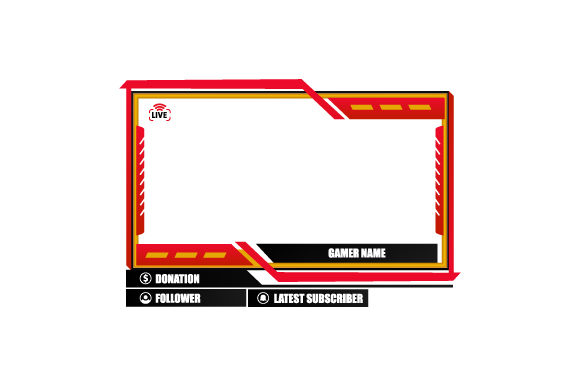
Streaming overlays are digital graphics that appear on top of your gameplay footage. They typically include elements like logos, titles, and interactive components. Panel design refers to the layout and structure of these overlays, ensuring that they are both visually appealing and user-friendly. Together, these elements form the visual foundation of your stream, making it easier for viewers to engage with your content.
One of the key benefits of using streaming overlays and panel design is the ability to customize your stream to match your personal style or brand. This level of customization allows you to stand out in a crowded market and build a loyal following. Additionally, well-designed overlays can improve the overall viewing experience by providing clear and concise information without distracting from the gameplay.
For those looking to create their own streaming overlays and panel designs, there are several file formats available, including AI, EPS, JPG, and PNG. Each format has its own advantages, depending on the intended use. For instance, AI and EPS files are ideal for vector-based designs that require scalability, while JPG and PNG files are better suited for raster-based graphics that need to be used directly in streaming software.
Key Elements of Effective Streaming Overlays and Panel Design
Creating effective streaming overlays and panel designs involves more than just choosing the right colors and fonts. It requires a deep understanding of how these elements interact with your gameplay and audience. One of the most important considerations is readability. Your overlay should be easy to read, even when viewed on smaller screens or at a distance.
Another critical factor is consistency. A well-designed overlay should reflect your brand identity across all platforms, from your stream to your social media profiles. This consistency helps build recognition and trust among your audience. Additionally, the placement of elements within your overlay is essential. Important information, such as your stream title or social media links, should be positioned where it's easily visible without obstructing the gameplay.
Interactivity is another aspect that can enhance the effectiveness of your streaming overlays and panel design. Features like chat integration, alert animations, and customizable buttons can make your stream more engaging and interactive. These elements not only improve the viewer experience but also encourage more participation and feedback from your audience.
Practical Applications of Streaming Overlays and Panel Design
Streaming overlays and panel design are not limited to live gaming broadcasts. They can also be used in a variety of other contexts, such as virtual events, product demonstrations, and educational content. In these scenarios, the design must adapt to the specific requirements of the event or presentation, ensuring that it enhances rather than detracts from the content being delivered.
For example, in a virtual product launch, a custom streaming overlay could include a branded logo, countdown timer, and interactive elements that allow viewers to engage with the product. Similarly, in an educational stream, the overlay might feature a slide deck, quiz questions, and real-time polls to keep the audience engaged and informed.
The versatility of streaming overlays and panel design makes them a valuable tool for creators across different industries. Whether you're a gamer, educator, or business professional, investing in a high-quality design can significantly improve the impact of your content and help you connect with your audience more effectively.
Choosing the Right File Formats for Streaming Overlays and Panel Design
When working with streaming overlays and panel design, selecting the appropriate file format is essential. AI and EPS files are ideal for vector graphics, allowing for seamless scaling without loss of quality. These formats are particularly useful for creating logos, icons, and other graphical elements that need to be resized frequently.
JPG and PNG files, on the other hand, are best suited for raster graphics. They offer high-quality images and support transparency in the case of PNG files, making them ideal for backgrounds, buttons, and other visual elements. These formats are commonly used in streaming software, as they are compatible with most platforms and require minimal processing power.
Understanding the strengths and limitations of each file format can help you make informed decisions when designing your streaming overlays and panel design. By choosing the right format for each element, you can ensure that your design looks great on any device and performs optimally during your stream.
Best Practices for Using Streaming Overlays and Panel Design
To get the most out of your streaming overlays and panel design, it's important to follow some best practices. One of the most effective strategies is to keep your design simple and focused. Avoid cluttering your overlay with too many elements, as this can overwhelm your audience and distract from the main content.
Another tip is to test your design in different environments. What looks good on a large monitor may not be as effective on a mobile device or a smaller screen. By testing your design across various platforms, you can ensure that it remains clear and legible for all viewers.
Finally, don't forget to update your streaming overlays and panel design regularly. As your brand evolves or your content changes, your design should reflect these updates. This not only keeps your stream fresh and engaging but also shows your audience that you're committed to delivering the best possible experience.