Online Class Social Media Post Layout for Professional Content Creation
For educators, entrepreneurs, and content creators, maintaining a consistent and visually appealing social media presence is essential. Online Class Social Media Post Layout offers a structured approach to designing posts that align with brand identity and audience expectations. These templates are especially useful in the context of online education, marketing campaigns, or digital product launches.
Understanding the Role of Online Class Social Media Post Layout
The Online Class Social Media Post Layout serves as a foundational element in the content creation process. It provides a standardized framework that ensures visual consistency across all social media platforms. This is particularly important when managing multiple accounts or working on collaborative projects where uniformity is key.
Whether you're launching a new course, promoting an event, or sharing educational content, having a well-organized layout helps streamline the design process. It reduces the time spent on formatting and allows more focus on the message and engagement strategies.
Key Features of Online Class Social Media Post Layout Templates
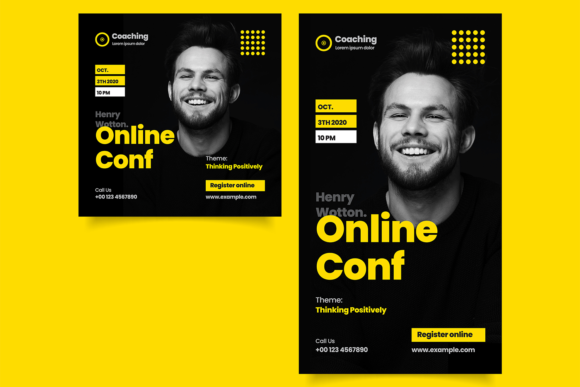
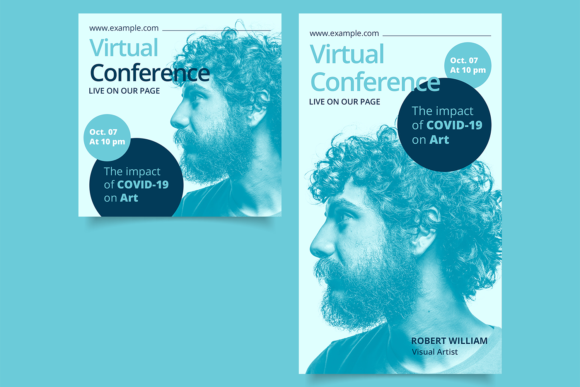
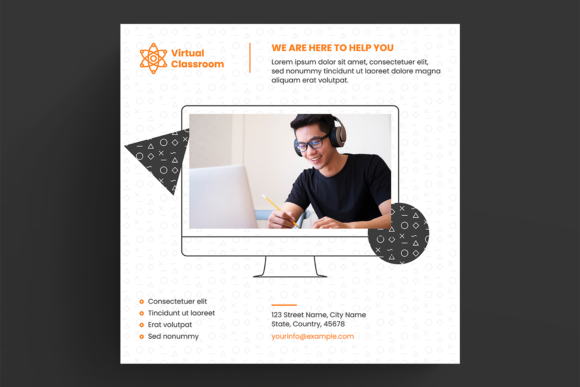
- 1080×1080 Pixels Square Layout: Optimized for Instagram and other square-based platforms, ensuring your content looks sharp on any device.
- RGB Colors: Offers a wide range of color options for branding and visual appeal without compromising quality.
- Layers Fully Editable: Allows customization of text, images, and graphics without affecting the overall design structure.
- 150 DPI Resolution: Ensures high-quality output suitable for both digital and print use.
- AI Illustrator Files Format: Provides flexibility for advanced editing and vector-based enhancements.
- Vector EPS Files: Enables scalability and clarity at any size, making them ideal for professional use.
Integrating Online Class Social Media Post Layout into Your Workflow
Before starting a project, using an Online Class Social Media Post Layout can help set clear visual guidelines. This is especially beneficial when planning a series of posts for a course launch, webinar, or marketing campaign. By defining the layout early, you ensure that all content adheres to the same standard, reinforcing brand recognition.
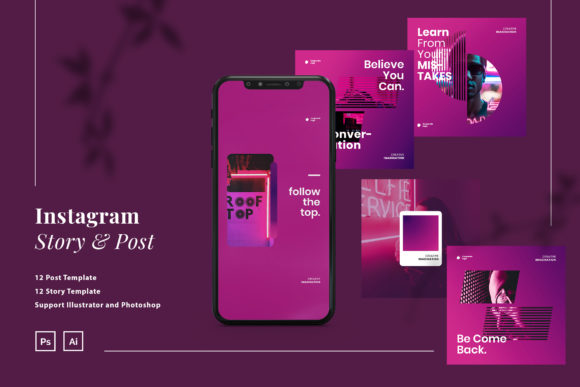
During the creative process, these templates act as a reference point. They guide the placement of text, images, and other elements, helping maintain a cohesive look across different posts. For instance, if you're creating a series of Instagram stories for a class, the layout ensures that each story follows a similar structure, making it easier for your audience to follow along.
After the initial design phase, the template can be revisited for updates or revisions. Whether you're adding new information, adjusting the tone, or updating visuals, having a pre-designed layout makes it easier to make changes without starting from scratch.
Compatibility and Usability Considerations
When selecting an Online Class Social Media Post Layout, consider compatibility with your design software. Most templates are created in Adobe Illustrator, which means they work seamlessly with tools like Photoshop and InDesign. This integration allows for smooth transitions between design stages and easy adjustments as needed.
Usability is another important factor. A well-organized layout with clearly labeled layers and sections reduces the learning curve for new users. This is particularly valuable for teams or individuals who may not have extensive design experience but still need to produce high-quality content.
Organization plays a key role in long-term use. Keeping your templates stored in a centralized location, such as a cloud drive or design asset manager, ensures that they remain accessible for future projects. This also makes it easier to update or refine the layouts as your brand evolves.
Practical Implementation Tips
To get the most out of your Online Class Social Media Post Layout, start by defining your brand’s visual identity. This includes choosing a color palette, typography style, and iconography that reflects your message. Once these elements are established, you can customize the template to match your specific needs.
Another tip is to create variations of the layout for different types of content. For example, you might have one template for course announcements, another for student testimonials, and a third for promotional offers. This approach keeps your content fresh while maintaining a consistent aesthetic.
Collaboration is also enhanced when using a shared template. Team members can work on different parts of the layout without disrupting the overall design. This is especially useful in larger organizations where multiple people contribute to social media content.
Workflow Examples and Use Cases
Consider a scenario where a teacher is launching an online course. Using an Online Class Social Media Post Layout, they can create a series of posts that introduce the course, highlight key topics, and share success stories. Each post follows the same structure, making it easier for students to engage and stay informed.
For a business owner running a marketing campaign, the layout can be used to design promotional posts, customer reviews, and event invitations. The consistency in design helps build trust and recognition among the target audience.
Freelancers and consultants can benefit from using these templates when sharing industry insights or offering services. A well-designed post can capture attention and encourage potential clients to take action.
Long-Term Benefits and Consistency
Maintaining a consistent visual style across all social media channels strengthens brand identity. An Online Class Social Media Post Layout supports this by providing a reliable foundation for all content. Over time, this consistency builds familiarity and trust with your audience.
Quality control is another advantage. With a predefined layout, you can ensure that every post meets the same standards for clarity, readability, and aesthetics. This is especially important when managing multiple accounts or working with a team.
As your brand grows, the layout can evolve to reflect new trends or messaging. Regularly reviewing and updating the template ensures that it remains relevant and effective for your current goals.